
Table of Contents
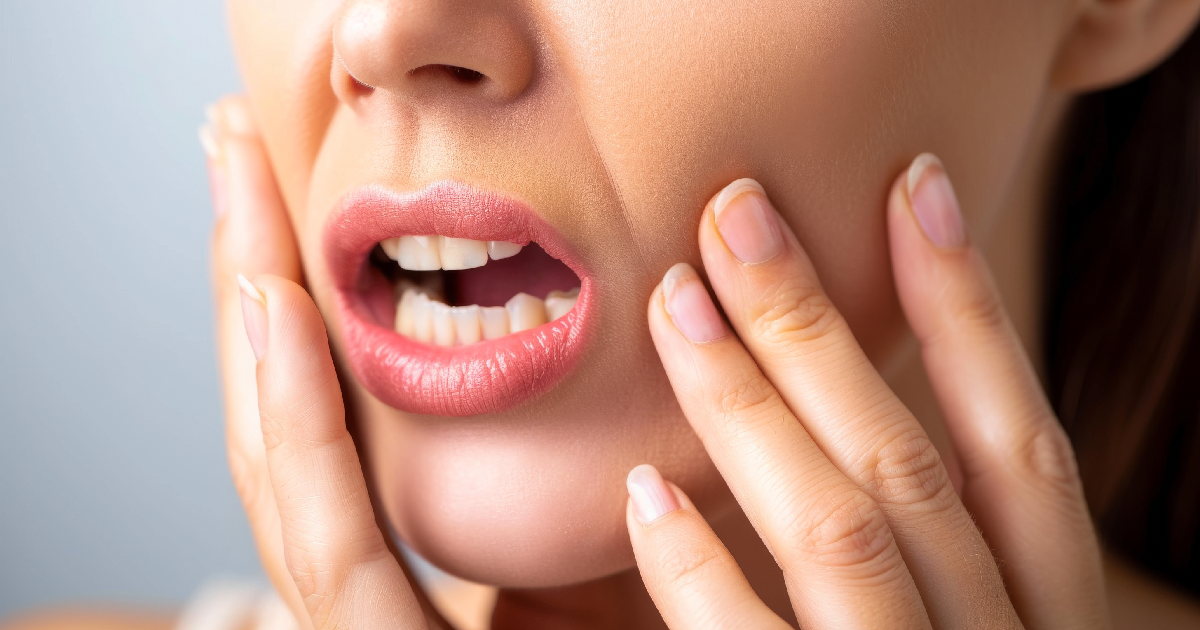
If your jaw feels sore when you wake up, clicks when you chew, or aches after a long day of talking, you are not imagining it. TMJ pain can be exhausting because it affects the basics like eating, sleeping, and focusing at work.
The good news is that many people do not need surgery to feel better. At 24th Street Dental Biltmore, we focus on conservative care first, using tools like digital imaging and bite analysis to pinpoint what is driving your symptoms.
What Is Causing Your TMJ Pain?
TMJ refers to the temporomandibular joint, which connects your jaw to your skull. When that joint or the muscles around it get irritated or overworked, you can end up with pain, tightness, and limited movement.
There is not always one single cause, which is why an accurate evaluation matters. Common contributors include:
- Teeth grinding or clenching, especially at night (bruxism)
- A bite that does not come together evenly, placing extra stress on the joint
- Jaw injury or misalignment
- Arthritis-related inflammation in the joint
- Stress and muscle tension that show up in the jaw, neck, and face
Typical TMJ symptoms can include jaw pain, headaches, clicking or popping, facial soreness, and trouble opening wide. If you are trying random home remedies without knowing the real trigger, it is easy to waste time and stay stuck in the same cycle.
Non-Surgical TMJ Treatments That Actually Work
If you want real relief without invasive procedures, these are the most common options we use for TMJ Pain Treatment at 24th Street Dental Biltmore in Phoenix, AZ.
- Custom Night Guards: A custom night guard helps reduce grinding and gives the jaw muscles a chance to relax overnight. If you are looking for Night guards for TMJ, a custom fit is usually more comfortable and stable than over-the-counter options.
- Bite Adjustment (Occlusal Equilibration): If your bite hits unevenly, small tooth-surface adjustments can help balance contact and reduce joint strain. This is what many people mean by Bite adjustment treatment.
- Stress Management and Physical Therapy Support: When tight muscles and clenching are major triggers, simple exercises, posture support, and therapy strategies can reduce strain. This is a key part of non-surgical TMJ therapy.
- Therapeutic Botox® Injections: For significant clenching, therapeutic Botox® may help relax overactive jaw muscles and ease tension.
If conservative care does not help or symptoms suggest a more complex joint issue, we may recommend further evaluation.
How Each Treatment Relieves Pain
It helps to understand what these options are actually doing, especially if you have tried “just rest it” advice and it did nothing.
Oral Appliances (Night Guards) Reduce Overload
When clenching happens, the jaw muscles can stay engaged for hours. A custom night guard helps create a protective barrier and can reduce the stress your joints and teeth absorb while you sleep. For many patients, this becomes a practical starting point when they are searching for the Best treatment for jaw pain that is conservative and doable.
Bite Correction Reduces Uneven Pressure
If your teeth hit harder on one side or your jaw shifts to find a comfortable closing position, your joint may be working overtime. Bite adjustment aims to create a more even contact pattern so the joint is not constantly compensating.
Botox® Calms Muscle Spasms and Tightness
If the masseter and surrounding muscles are overactive, therapeutic Botox® can relax those muscles, which may reduce pain, tension headaches, and the “locked up” feeling some people describe.
Muscle Therapy Improves Function
Jaw exercises, posture work, and targeted therapy can reduce guarding, improve mobility, and help break the clench-tension cycle.
Many patients do best with a combination approach. That is why we start with a careful evaluation rather than guessing.
Who Is A Good Candidate For Non-Surgical TMJ Care?
Most people who come in for TMJ concerns want something practical, not intense, and not disruptive to daily life. Non-surgical care is often a strong fit if you relate to any of the following:
- You have ongoing jaw pain, facial tension, or frequent headaches that may be connected to clenching
- You grind your teeth at night or notice wear, chips, or tight jaw muscles in the morning
- Your jaw clicks, pops, or feels tired when chewing
- You want conservative care before exploring anything invasive
If imaging or exam findings suggest advanced joint damage, you may still start with conservative steps, but you might also need specialist collaboration.
What To Expect During Treatment
A big part of getting relief is knowing there is a plan, and that your symptoms are being taken seriously.
Step 1: A Detailed Evaluation
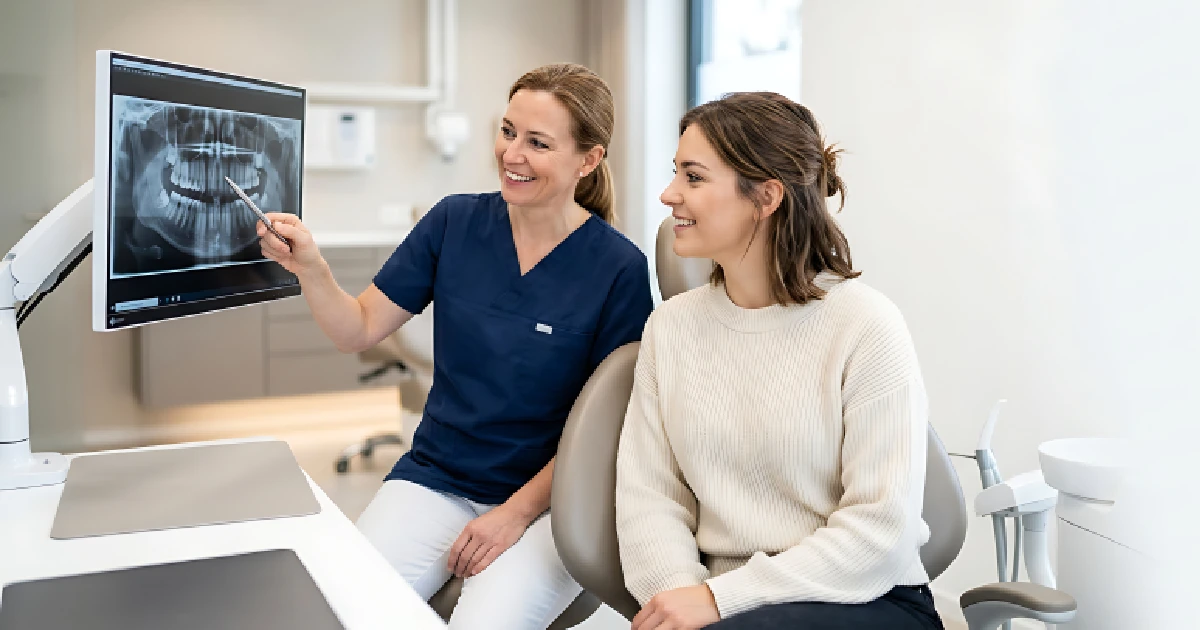
We start with a focused TMJ assessment that looks at your symptoms, your bite, and how your jaw moves. We use advanced diagnostic tools such as digital imaging and bite analysis to identify what is actually causing the strain.
Step 2: A Customized Treatment Plan
Once we see what’s driving it, we might suggest a custom night guard, a bite adjustment, simple therapy strategies, or therapeutic Botox®. If you’ve been looking up TMJ pain relief options, this is where we pick what matches your specific trigger.
Step 3: Follow-Up and Fine-Tuning
TMJ care often works best when we re-check how you are doing and adjust the plan if needed, especially if your symptoms change or your guard needs small refinements.
When To Seek Professional Help For TMJ Pain
If your jaw pain has been lingering, it is worth getting it checked out. TMJ issues can worsen when the joint and muscles keep taking repeated stress.
If any of this sounds like you, it’s time to get it checked out:
- Jaw pain that won’t quit after a couple of weeks
- Trouble opening wide, chewing normally, or a jaw that feels like it catches
- Frequent headaches, ear discomfort, or facial tension that may be linked to clenching
- Symptoms that keep ramping up even after home fixes
Getting the right diagnosis early can help you avoid months of guessing and frustration.
A Realistic Way To Start Feeling Better
TMJ pain can make everyday life feel harder than it should, but you do have options that are conservative and effective when they match the real cause. If you are looking for TMJ Pain Treatment in Phoenix, AZ, our team would love to help you get answers and a plan that fits your life. Reach out to 24th Street Dental Biltmore to talk through your symptoms and explore the non-surgical approach that makes the most sense for you. Discover personalized, non-invasive TMJ solutions. Book your consultation now!