Table of Contents
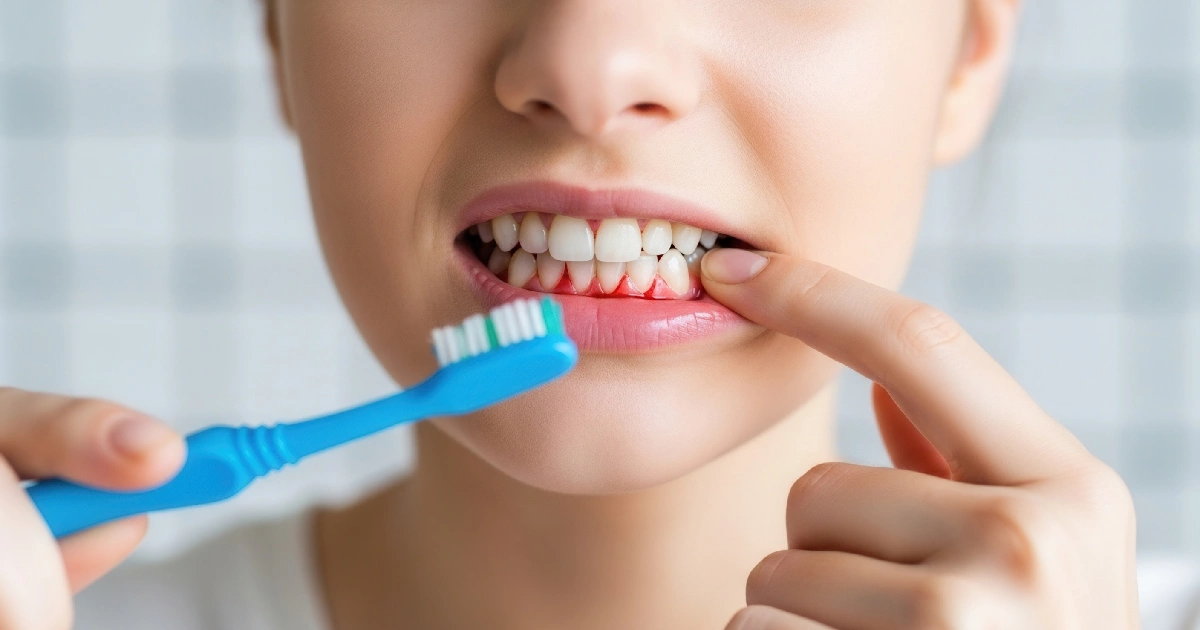
A little pink in the sink after brushing can be easy to dismiss. Maybe you brushed too fast. Maybe you skipped flossing for a while and your gums are reacting. Those things can happen, but gums that bleed often are usually giving you a useful warning.
Healthy gum tissue should fit snugly around the teeth. It should not feel sore, look puffy, or bleed every time you brush. When bleeding becomes a pattern, it may point to plaque buildup, irritation along the gumline, or the beginning of gum disease.
Should I be concerned about bleeding gums when brushing?
Yes, bleeding gums when brushing can be a concern, especially if it happens regularly, as it may be an early sign of gum inflammation or gum disease that should be evaluated by a dentist.
What Bleeding Gums Can Mean
The most common reason for bleeding gums is irritation from plaque near the gumline. Plaque is a soft, sticky film that forms on teeth throughout the day. When it is not removed well, bacteria can bother the gum tissue. This situation can cause redness, tenderness, and bleeding.
This early stage is often called gingivitis. It is a mild form of gum disease, but mild does not mean unimportant. Gingivitis can make the gums bleed easily, especially during brushing or flossing. Many people also notice swollen gums, gum sensitivity, or breath that does not feel fresh, even after brushing.
Bleeding may also be due to brushing too hard, starting a new flossing routine, hormonal changes, tobacco use, certain medications, dry mouth, or health conditions that affect healing. A dentist can help tell the difference between simple irritation and a concern that needs more focused care.
Why Gums Bleed During Brushing
Brushing should clean the teeth and gently reach the gumline. If you press hard, use a stiff brush, or brush in a rough back-and-forth motion, the gumline can become irritated. This can lead to bleeding even when gum disease is not the main reason.
Gentle brushing can still lead to bleeding when plaque and tartar have already inflamed the tissue. Tartar is hardened plaque that cannot be removed with a toothbrush at home.
This is where a dental exam matters. If bleeding is tied to tartar, gingivitis, or deeper pockets around the teeth, professional cleaning and periodontal care may be needed.
Gum Inflammation Is Often the First Clue
Gum inflammation is the body’s response to irritation or infection around the gums. It can show up as redness, swelling, tenderness, bleeding, or a change in how the gums look around the teeth. Some people feel discomfort, but others have very few symptoms.
That quiet nature is part of what makes gum disease easy to overlook. You may not have pain, and your teeth may feel normal. Still, the gum tissue can be irritated underneath the surface. If inflammation remains untreated, the gums may begin to pull away from the teeth, creating spaces where bacteria can collect.
When Gum Disease Becomes More Serious
Gum disease can move from gingivitis to periodontitis when inflammation reaches the deeper structures that support the teeth. This stage may involve gum pockets, bone changes, gum recession, persistent bad breath, or teeth that begin to feel loose.
Advanced gum disease does not always appear suddenly. It often develops over time, which is why recurring bleeding should not be brushed aside.
Signs that deserve a dental visit include bleeding that continues, gums that stay swollen or tender, gum recession, pus near the gumline, pain when chewing, shifting teeth, or a bite that feels different. These symptoms do not always mean severe disease, but they do deserve attention.
Common Gum Loss Causes
Understanding gum loss causes can help you protect your tissue before changes become noticeable.
Common causes may include:
- Gum disease, which damages the attachment between the gums and teeth through inflammation.
- Brushing too aggressively
- Teeth grinding
- Tobacco use
- Genetics
- Crooked teeth that are difficult to clean
- Oral piercing that rub against the gums
- Bite concerns
What Gum Infection Treatment May Involve
The right gum infection treatment depends on what is causing the bleeding and how far the condition has progressed. For early gingivitis, treatment may include a professional cleaning, removal of plaque and tartar, and home care guidance that fits your mouth.
For deeper gum disease, a dentist may recommend scaling and root planing. This is a deep cleaning that removes buildup below the gumline and smooths root surfaces so the gums can heal more comfortably. Some patients may also need antimicrobial therapy or more frequent maintenance cleanings.
The goal is not to rush into the most involved option. Good gum care starts with a clear diagnosis.
At-Home Habits That Support Healthier Gums
Daily care has a major effect on gum health. Brush twice a day with a soft-bristled toothbrush and use gentle pressure along the gumline. Floss once a day, taking time to curve the floss around each tooth instead of snapping it into the gums.
If floss feels difficult, ask your dental team about floss picks, interdental brushes, or a water flosser. The best tool is the one you can use correctly and consistently.
Bleeding, swelling, gum tenderness, and bad breath are all signs worth tracking. If symptoms keep coming back, your gums may need more than a routine at-home reset.
When to Schedule an Appointment
Bleeding gums are common, but they are not something to ignore when they happen regularly. Schedule a dental visit if bleeding continues, your gums look swollen, your teeth feel sensitive near the gumline, or you notice changes in your breath, bite, or gum shape.
A dentist can check for plaque buildup, tartar, gum pockets, recession, infection, and other factors that may be contributing to the bleeding.
24th Street Dental Biltmore Gum Disease Dentist in Phoenix, AZ
Your gum health plays an important role in the longevity, comfort, and appearance of your smile. If you are noticing bleeding, swelling, or gum sensitivity, you may be dealing with the early stages of gum disease. At 24th Street Dental Biltmore, patients can receive periodontal care designed to treat and manage gum concerns with careful attention to comfort and long-term oral health.
As a gum disease dentist in Phoenix, AZ, our team provides evaluations for bleeding gums, swollen gums, gum sensitivity, recession, and signs of infection.
Patients looking for a gum disease dentist often need more than a quick cleaning. They need someone who can explain what is happening, identify risk factors, and recommend a plan that fits the condition of their gums. 24th Street Dental Biltmore offers modern techniques, gentle approaches, and individualized care plans for patients seeking gum disease support in Phoenix.
Get Relief From Bleeding Gums Today.
Frequently Asked Questions
Why do my gums bleed every time I brush my teeth?
Frequent bleeding during brushing is often a sign of plaque buildup, gum inflammation, or early gum disease.
Can bleeding gums go away on their own?
Bleeding gums may improve with consistent oral hygiene, but persistent symptoms should be evaluated by a dentist.
Can gum bleeding lead to tooth extraction?
Gum bleeding itself does not cause tooth extraction, but untreated gum disease can damage the supporting tissues and bone around teeth, potentially leading to tooth loss in severe cases.