Skip to content
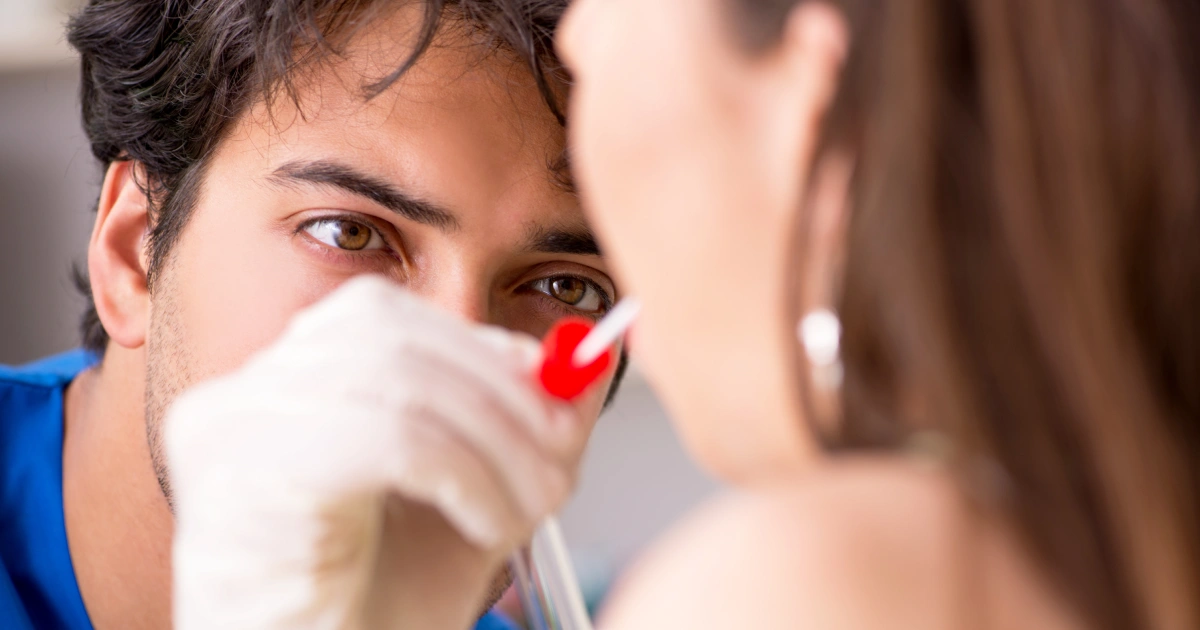
Table of Contents
Your saliva does more than keep your mouth comfortable and aid digestion. It also contains biological information that may reveal patterns related to oral bacteria, inflammation, and disease risk. OralDNA testing offers a modern approach to evaluating these markers through a simple saliva sample, giving dental providers additional information that can support preventive care and personalized treatment planning.
What is an OralDNA saliva test used for?
An OralDNA saliva test analyzes bacteria and other biomarkers that may help assess oral health risks and support personalized treatment planning.
What Is Salivary Diagnostic Testing?
Salivary diagnostic testing is a noninvasive method of evaluating substances present in saliva to better understand a person’s oral health. Also known as salivary diagnostics, this approach is renowned for analyzing DNA, bacteria, proteins, and other biological markers that are naturally occurring in saliva.
Instead of relying on what can be seen during a dental examination, the test provides molecular information that could reveal conditions not yet producing observable symptoms.
A typical OralDNA saliva test involves collecting a small saliva or plaque sample during a dental visit. The sample is then sent to a specialized laboratory, where advanced testing identifies specific bacteria associated with periodontal disease and other oral health concerns. Some tests can also evaluate genetic factors that influence how the body responds to inflammation.
These findings are not meant to replace a comprehensive dental examination. Instead, they provide another layer of clinical information that enables dentists to better understand each patient’s individual risk profile.
What Can a Saliva Health Test Reveal?
A saliva health test can provide valuable information regarding several aspects of oral health. Although it cannot diagnose every condition, it may still identify necessary risk factors that help guide treatment decisions.
Some of the information a saliva analysis may reveal includes:
- The presence of bacteria commonly associated with periodontal disease
- Levels of bacteria that contribute to gum inflammation
- Genetic markers linked to increased inflammatory responses
- Potential indicators that warrant additional evaluation for certain oral conditions
- Changes in oral microbiome that could influence long-term dental health
This information allows providers to look beyond visible symptoms. In some cases, bacterial changes may develop before significant tissue damage becomes apparent, giving dentists additional insight when planning preventive care.
How Oral Bacteria Testing Supports Personalized Dental Care
It’s important to emphasize that no two patients have the same oral microbiome. Even individuals with similar brushing and flossing habits may carry different bacterial populations or respond differently to inflammation. Oral bacteria testing helps identify these differences, allowing treatment plans to be based on each person’s unique findings rather than a generalized approach.
For example, patients with persistent gum inflammation may benefit from identifying the specific bacteria involved instead of relying solely on visual examination. Knowing which bacterial species are present may help determine appropriate periodontal therapies, maintenance intervals, and home care recommendations.
Who May Benefit From Saliva Testing for Oral Health?
Many adults can benefit from Saliva testing for oral health, but it is particularly useful for people who have elevated risk factors or ongoing periodontal concerns.
You may be a good candidate if you:
- Have recurring gum disease despite regular dental care.
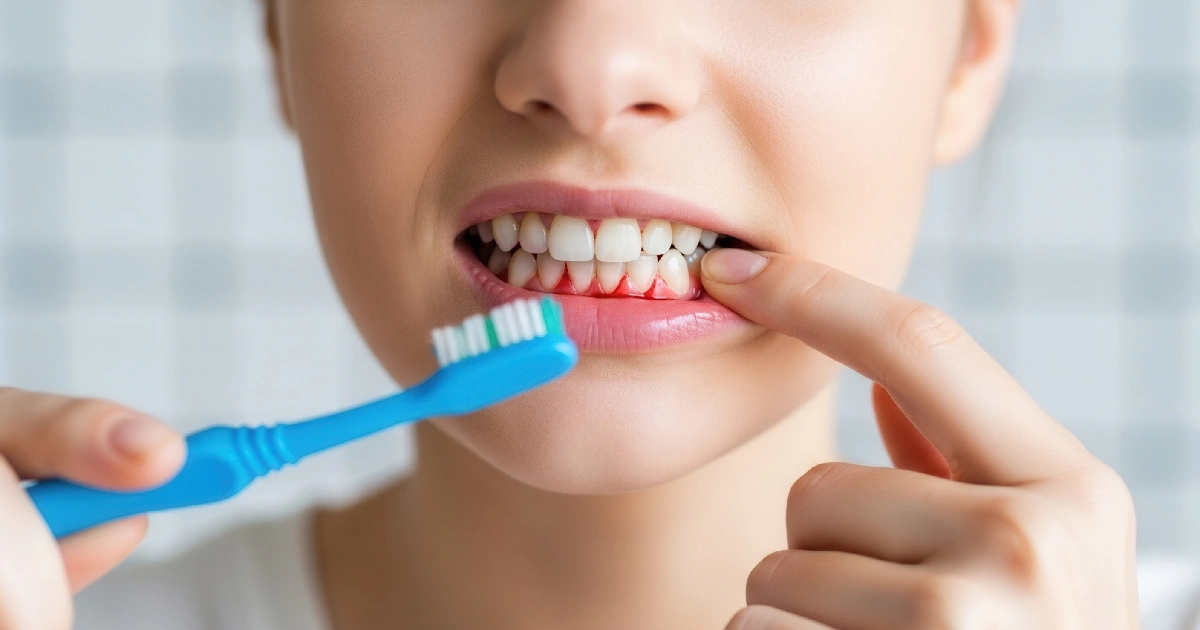
- Experience persistent bleeding, swollen, or tender gums.
- Have a family history of periodontal disease.
- Are preparing for dental implants or other restorative procedures.
- Want a more personalized understanding of your oral health risks.
- Have been diagnosed with chronic periodontal disease and require ongoing monitoring.
A dental consultation remains the best way to determine if this type of testing is appropriate for your specific needs.
Understanding the Role of Periodontal Disease Testing
Periodontal disease often develops gradually. Early stages may produce only mild symptoms, making it easy for patients to overlook changes until more noticeable damage has occurred. Periodontal disease testing provides additional information that may help identify bacterial patterns associated with gum disease before significant progression.
Traditional periodontal evaluations remain essential because they assess gum pockets, bone support, bleeding, and visible tissue health. Molecular testing complements these findings by identifying microorganisms that cannot be seen during a clinical examination.
Together, these diagnostic methods create a more complete picture of periodontal health. This combination allows providers to make more informed recommendations regarding preventive care, periodontal therapy, and long-term maintenance.
Common Misconceptions About OralDNA Testing
Like many newer dental technologies, OralDNA testing is sometimes misunderstood. Knowing what the test can and cannot do helps the patients develop realistic expectations.
It replaces regular dental exams.
No. Saliva testing is designed to complement routine examinations, not replace professional evaluations, X-rays, or periodontal measurements.
A positive bacterial result means severe gum disease.
Not necessarily. Some bacteria may be present without causing active disease, which is why clinical findings remain important.
Everyone with gum disease needs the test.
The decision depends on each patient’s dental history, symptoms, and treatment goals.
The test is painful or invasive.
A saliva sample is collected quickly and comfortably without surgery or injections.
Results provide instant treatment answers.
Laboratory findings help guide decision-making, but providers also consider clinical examinations, medical history, and individual risk factors before recommending treatment.
24th Street Dental Biltmore Salivary Diagnostics in Phoenix, AZ
Patients seeking salivary diagnostics in Phoenix, AZ, can receive comprehensive testing at 24th Street Dental Biltmore. Our team offers advanced Salivary diagnostics using OralDNA testing to evaluate bacteria, inflammatory markers, and other biological indicators associated with oral health.
The process is simple and noninvasive. A saliva sample is collected during your visit and submitted to a specialized laboratory for analysis. The results may identify bacteria linked to periodontal disease, evaluate genetic susceptibility to certain inflammatory conditions, and provide information that supports more personalized dental care.
This service may be particularly beneficial for patients with recurring periodontal disease, individuals preparing for restorative procedures, those with a history of complex dental concerns, or patients interested in preventive care. Incorporating a saliva test for gum disease into routine evaluations may provide additional insight beyond a standard dental examination.
24th Street Dental Biltmore proudly serves patients throughout Phoenix, North Phoenix, Biltmore, Biltmore Estates, Arcadia, Paradise Valley, and Scottsdale. By combining advanced diagnostic technology with comprehensive clinical evaluations, the team helps patients make informed decisions about their long-term oral health.
Frequently Asked Questions
Is a saliva test for gum disease painful?
No, a Saliva test for gum disease is a simple, noninvasive procedure that requires only a saliva or plaque sample.
Can OralDNA testing replace routine dental checkups?
No, OralDNA testing is intended to complement comprehensive dental examinations rather than replace them.
Who should consider Salivary diagnostics?
Patients with recurring gum disease, elevated periodontal risk, or an interest in preventive dental care may benefit from Salivary diagnostics after consulting their dentist